

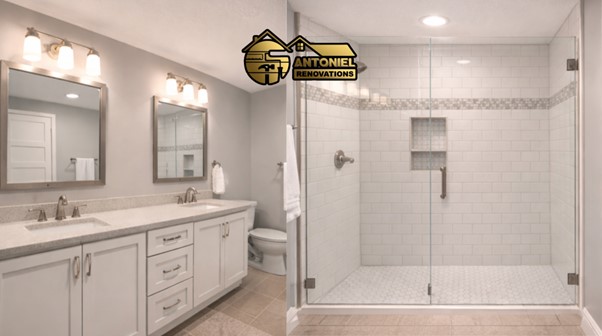
A professional bathroom remodeling contractor in Massachusetts manages the complex coordination of plumbing, electrical systems, ventilation, waterproofing, and structural elements required to transform an outdated bathroom into a safe and modern living space.
Bathrooms may be one of the smallest rooms in a home, but they are also one of the most technically demanding areas to renovate. Behind the finished surfaces are multiple building systems that must work together correctly. Plumbing pipes, electrical wiring, ventilation systems, and moisture barriers all operate within a relatively small footprint.
If any of these systems are outdated or improperly installed, problems can quickly appear. Persistent humidity, mold growth, poor lighting, and inefficient layouts are common issues homeowners face in older bathrooms.
Across Massachusetts, many homeowners are choosing to renovate their bathrooms instead of moving to a new property. Updating an existing home allows families to improve comfort, increase property value, and modernize older homes while remaining in neighborhoods they already enjoy.
From our experience working on renovation projects throughout Massachusetts, one thing is clear: successful bathroom remodeling requires careful planning, experienced craftsmanship, and proper coordination between construction trades.
This guide explains how bathroom remodeling works, what homeowners should expect during construction, and how experienced contractors help ensure a successful renovation.
Why Bathroom Remodeling Is One of the Most Valuable Home Upgrades
Bathrooms are used several times every day. Even small design problems eventually become noticeable.
Common issues homeowners encounter include:
- -poor lighting around mirrors
- -limited storage for daily items
- -outdated plumbing fixtures
- -inadequate ventilation causing humidity buildup
A properly planned remodel can address these issues while significantly improving comfort and functionality.
Bathroom remodeling also remains one of the most influential upgrades when it comes to home value. Industry studies consistently show that kitchens and bathrooms have the greatest impact on buyer interest and resale potential.
According to the Remodeling Cost vs. Value Report, bathroom remodeling projects often recover a large portion of their investment when a home is sold.
Pros and Cons of Bathroom Remodeling
Before beginning a renovation, homeowners should understand both the benefits and temporary challenges involved.
| Pros | Cons |
| Improves comfort and daily usability | Temporary disruption during construction |
| Updates outdated fixtures and finishes | Upfront renovation investment |
| Increases home value | Possible hidden issues discovered during demolition |
| Improves lighting and ventilation | Construction noise and dust |
| Creates better storage and layout | Requires planning and permits |
For most homeowners, the long-term improvements far outweigh the short-term inconvenience of construction.
What a Bathroom Remodeling Contractor Actually Does
Bathroom remodeling involves far more than installing tile or replacing fixtures. A professional contractor manages the entire renovation process from planning through final inspection.
Evaluating Existing Systems
The first step in any remodel is assessing the current condition of the bathroom.
Contractors examine several critical components including:
- -plumbing lines and drainage systems
- -structural framing and subfloor condition
- -ventilation and moisture management
- -electrical capacity for lighting and outlets
Identifying potential issues early helps avoid delays once construction begins.
Coordinating Multiple Skilled Trades
Bathroom renovations require collaboration between several specialists.
Typical trades involved include:
- -plumbers
- -electricians
- -tile installers
- -carpenters
- -painters
A general contractor schedules and coordinates these professionals to ensure each stage of construction occurs in the correct order.
Managing Permits and Code Compliance
Bathroom remodeling projects in Massachusetts must comply with the Massachusetts State Building Code (780 CMR).
When plumbing, electrical systems, or structural changes are involved, permits and inspections are typically required.
Experienced contractors handle the permitting process and ensure renovations meet code requirements.

Preventing Long-Term Construction Issues
Bathrooms experience constant exposure to moisture. Even small construction mistakes can lead to costly repairs later.
Experienced contractors focus on preventing common problems such as:
- -improperly sloped shower floors
- -inadequate waterproofing behind tile
- -insufficient ventilation systems
- -plumbing connections that may leak over time
Attention to these details protects the home’s structure and prevents long-term damage.
Signs Your Bathroom May Need Remodeling
Many homeowners begin considering a remodel when problems become difficult to ignore.
Common warning signs include:
- -mold or persistent humidity
- -cracked tile or grout
- -outdated fixtures
- -poor lighting
- -inefficient layout
Moisture and ventilation issues are particularly important. Studies on indoor air quality show that poorly ventilated bathrooms increase the risk of mold growth and structural damage. NCBI
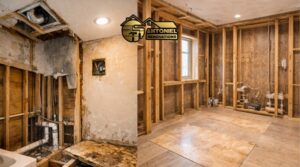
Bathroom Renovation vs Bathroom Remodel
These two terms are often used interchangeably, but they can describe different levels of work.
| Renovation | Remodel |
| Updates finishes and surfaces | Changes layout or structure |
| Replaces fixtures and flooring | Moves plumbing or electrical |
| Improves appearance | Alters the overall design |
Many bathroom projects include elements of both renovation and remodeling.
Types of Bathroom Remodeling Projects
Every homeowner has different goals and budgets. Bathroom remodels typically fall into three categories.
Cosmetic Bathroom Refresh
This type of project focuses primarily on visual improvements.
Common upgrades include:
- -repainting walls
- -replacing mirrors
- -installing new lighting fixtures
- -updating faucets and hardware
Mid-Range Bathroom Remodel
Mid-range remodels upgrade several key components while maintaining the existing layout.
Examples include:
- -replacing vanities and countertops
- -installing new flooring
- -upgrading shower fixtures
- -improving lighting systems
Full Bathroom Remodel
Full remodels involve structural or layout changes.
These projects may include:
- -relocating plumbing lines
- -replacing tubs with walk-in showers
- -expanding the bathroom footprint
- -rebuilding framing or subfloors
| Project Type | Best For | Complexity |
| Cosmetic update | Refreshing appearance | Low |
| Mid-range remodel | Upgrading fixtures | Medium |
| Full remodel | Changing layout and structure | High |
The Most Important Part of Bathroom Remodeling: Waterproofing
One of the most misunderstood parts of bathroom construction is waterproofing.
Tile and grout themselves are not waterproof barriers. The true protection comes from the waterproofing system installed underneath.
Professional waterproofing systems typically include:
- -waterproof membranes behind tile
- -properly sloped shower bases
- -sealed plumbing penetrations
- -moisture-resistant backer boards
Without proper waterproofing, water can slowly penetrate walls and flooring, leading to mold and structural deterioration.
Hidden Problems Often Found During Bathroom Remodels
Demolition frequently reveals issues homeowners never knew existed.
Common discoveries include:
- -water-damaged framing behind tile
- -deteriorated subfloors
- -outdated plumbing systems
- -electrical wiring that no longer meets code
- -poorly installed ventilation systems
Addressing these problems during renovation helps prevent larger structural repairs later.
Bathroom Remodeling Costs in Massachusetts
Bathroom remodeling costs vary depending on the size of the space, materials selected, and structural changes required.
According to the Houzz Bathroom Trends Study, the median bathroom renovation spending in the United States is approximately $13,000, with major remodels often exceeding $20,000.
| Category | Typical Budget Share |
| Labor | 30–40% |
| Tile and flooring | 20–25% |
| Fixtures and plumbing | 15–20% |
| Vanity and cabinetry | 10–15% |
| Lighting and accessories | 5–10% |
Labor typically represents the largest portion because bathroom installations require precise craftsmanship.
Typical Bathroom Remodeling Timeline
| Phase | Typical Timeline |
| Planning and design | 1–3 weeks |
| Permits | 2–4 weeks |
| Demolition | 2–5 days |
| Construction | 3–4 weeks |
| Finishing | 1 week |
Project timelines vary depending on the complexity of the remodel and inspection requirements.
Bathroom Remodeling Services Offered by Antoniel Renovations
Bathroom remodeling is one of the many services offered by Antoniel Renovations, a Massachusetts construction company with more than three decades of renovation experience.
Construction and Renovation
Our team works on a wide range of residential and commercial construction projects including:
- -bathroom remodeling
- -kitchen renovations
- -full home renovations
- -structural additions and expansions
Property Maintenance and Handyman Services
In addition to renovation work, we assist homeowners and property owners with maintenance services such as:
- -tenant turnover services
- -general handyman repairs
- -property maintenance
These services help keep homes safe, functional, and well maintained.
Outdoor Construction and Hardscaping
Many homeowners combine interior remodeling with outdoor improvements.
- -retaining walls
- -patio paving
- -walkways and driveways
- -custom decks
Outdoor construction projects often complement kitchen and bathroom renovations by improving how homeowners use their entire property.
Our Remodeling Process
At Antoniel Renovations, projects follow a structured workflow to ensure clear communication and quality results.
- Initial Consultation
Discuss project goals, layout ideas, and budget expectations. - Design Phase
Develop plans and select materials and fixtures. - Construction Phase
Complete demolition, plumbing, electrical work, framing, and installation. - Finishing Phase
Add final details and conduct a walkthrough with the homeowner.
This step-by-step process helps keep renovations organized and ensures each stage of construction is completed correctly.
Final Thoughts
Bathroom remodeling is one of the most valuable improvements homeowners can make.
A well-designed renovation improves comfort, enhances daily routines, and increases long-term property value.
From our experience working on homes throughout Massachusetts, the most successful bathroom renovations begin with careful planning and experienced construction guidance.
At Antoniel Renovations, we focus on thoughtful design, reliable project management, and quality craftsmanship to help homeowners create bathrooms that are both beautiful and built to last.
If you are considering a bathroom renovation, our team would be happy to discuss your ideas and help you plan a project that fits your home and lifestyle.
Frequently Asked Questions
What is the average cost of a bathroom remodel in Massachusetts?
A standard bathroom remodel typically costs between $15,000 and $30,000, though this varies based on your chosen materials, the size of the room, and any structural changes required. Working with a professional allows you to prioritize high-impact upgrades that maximize your budget and long-term home value.
How long does a bathroom renovation project typically take?
Most full bathroom remodels take between 4 to 8 weeks to complete, depending on the complexity of the design and the availability of materials. This timeline includes planning, permitting, demolition, and the detailed installation of plumbing, electrical, and finish work.
Do I need a building permit for my bathroom remodel?
Yes, most bathroom renovations in Massachusetts require a permit, especially if you are modifying plumbing, electrical systems, or structural components. Your contractor should handle the permit process to ensure all work follows state building codes and passes required inspections.
What is the difference between a bathroom renovation and a remodel?
A renovation focuses on updating surface-level elements like paint, fixtures, and flooring to refresh the room’s appearance. A remodel is more comprehensive, often involving layout changes, moving plumbing lines, or structural modifications to improve the room’s overall functionality.
Why is waterproofing so critical in a bathroom renovation?
Proper waterproofing prevents moisture from leaking behind your tile, which protects your home from hidden mold growth and costly structural damage. Using professional-grade membranes and moisture-resistant materials ensures your bathroom remains safe and durable for years to come.