

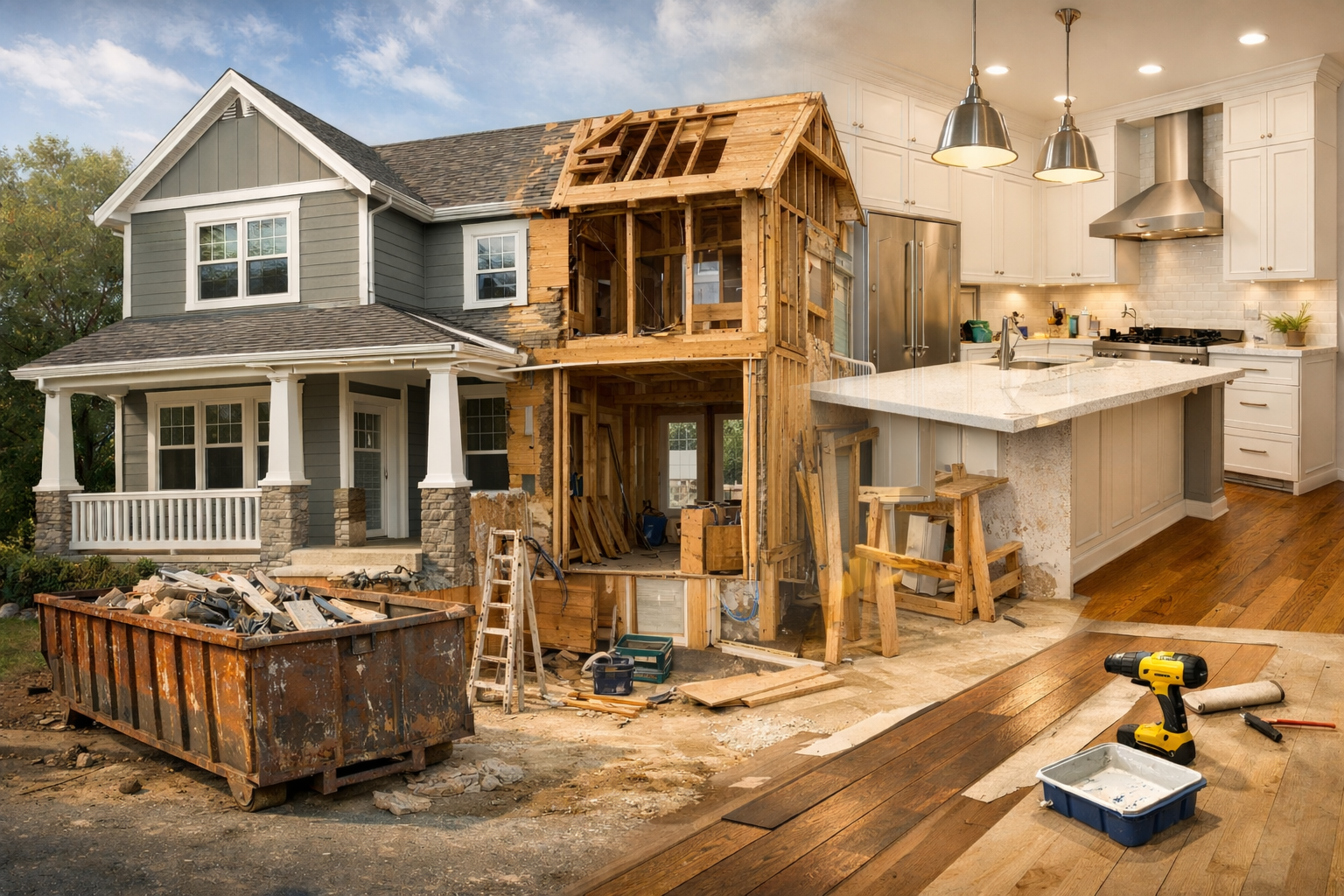
A custom home remodel involves reworking an existing house so the layout, structure, and systems better suit how the homeowner lives, rather than simply updating finishes or fixtures. This type of remodel often includes layout changes, structural coordination, and detailed planning across multiple areas of the home. (Source)
Choosing a custom remodel is rarely about trends or luxury. For many homeowners across Massachusetts, it is about making an existing home more comfortable, practical, and easier to live in day to day.
Rooms may feel cramped. Storage may be limited. Layouts may reflect a different stage of life. A custom remodel addresses these issues by working with the house you already own, rather than forcing a generic solution into place.
Academic research also shows that investment in home improvements is linked to higher homeowner satisfaction and wellbeing, particularly when renovations improve daily function and comfort. (Source)
This guide explains how custom remodels function in real Massachusetts homes, covering benefits, limitations, and the planning decisions that shape reliable outcomes.
What a custom remodel really means
A custom remodel adapts design and construction to the realities of an existing home, including its age, structure, and mechanical systems.
Many Massachusetts houses have uneven floors, mixed framing sizes, and layers of past renovations. A custom approach plans around these conditions instead of ignoring them. (Source)
Typical elements of a custom remodel include:
- Layout changes that respect structural limits
• Storage designed around actual room dimensions
• Targeted upgrades to plumbing, electrical, or insulation
• Materials chosen for durability and everyday use
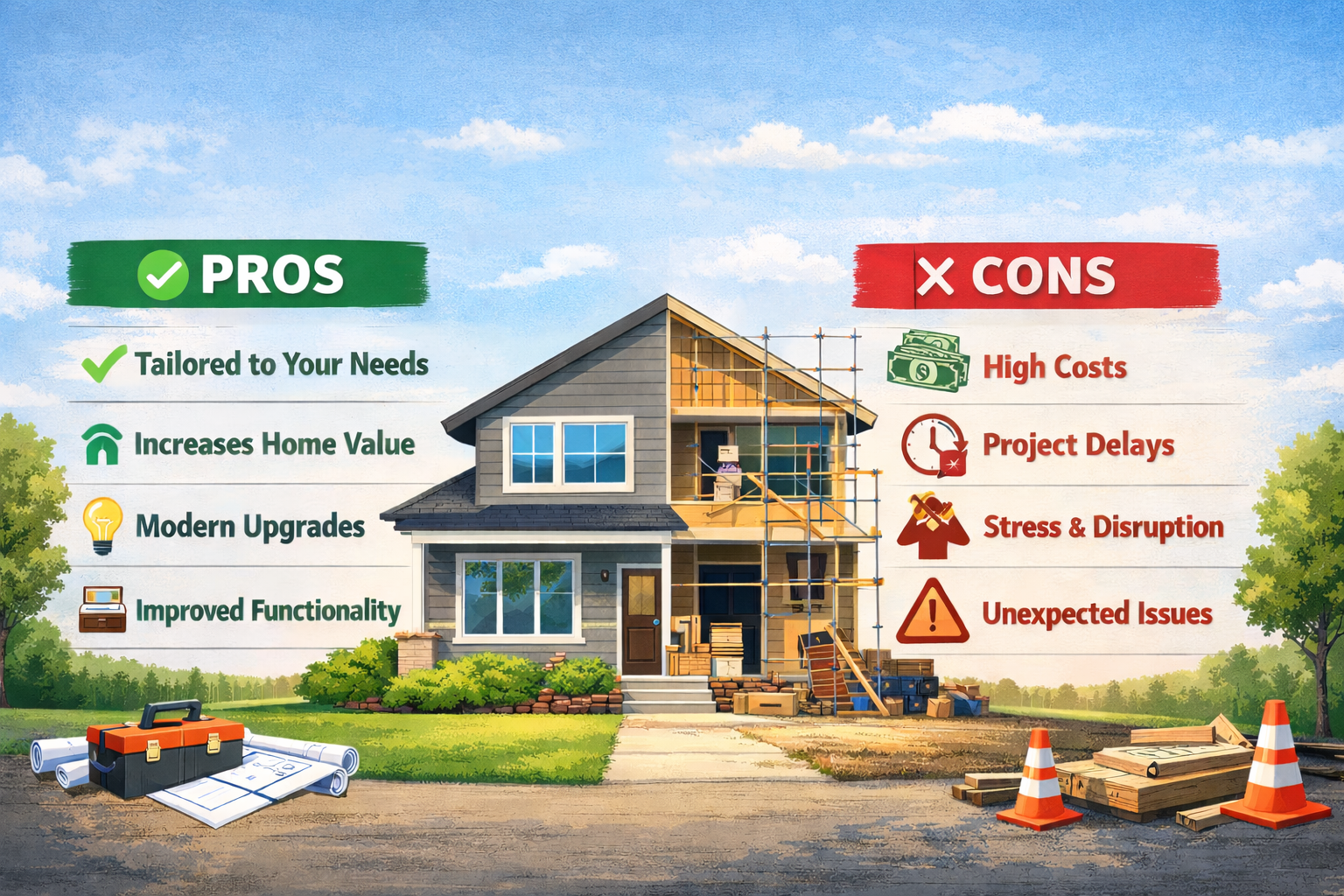
Pros and cons of a custom remodel
Understanding both sides early helps homeowners avoid frustration later.
| Pros | Cons |
| Designed around your lifestyle | Requires more planning time upfront |
| Works with the existing structure | Costs can change if hidden issues appear |
| Improves long term function | Decisions need to be made earlier |
| Allows phased upgrades | Timelines vary more than surface updates |
Decisions homeowners often underestimate early
Early planning involves more than finishes. Several technical factors shape both design and cost.
| Decision area | Why it matters |
| Structural walls | Limits layout options and affects cost |
| Ceiling height | Influences lighting and ventilation |
| Plumbing paths | Determines kitchen and bathroom layouts |
| Insulation upgrades | Changes wall thickness and trim details |
Addressing these points early keeps designs practical and budgets steadier.
Inspiration photos versus real homes
Online images are useful for ideas but often assume ideal conditions.
Many inspiration photos come from new builds with flat floors, tall ceilings, and open framing access. Older homes usually require adaptation. A practical approach is to identify what appeals to you in a photo and translate that idea to fit your home’s constraints.
Planning steps that help control cost changes
Unexpected costs often result from late decisions.
Helpful planning steps include:
- Finalising layouts before choosing finishes
• Confirming appliance sizes early
• Locking fixture locations before rough work
• Ordering long lead materials in advance
Clear change rules also protect the schedule and budget.
How custom remodel budgets are structured
Custom remodel pricing is built from multiple parts rather than one flat figure.
| Budget element | What it covers |
| Fixed scope work | Labour and materials with known quantities |
| Allowances | Placeholder budgets for later selections |
| Contingency | Funds for hidden or unforeseen conditions |
Knowing this structure makes quotes easier to understand and compare.
Timeline expectations beyond averages
Timelines depend more on sequence than speed.
A custom remodel usually includes a design and selection phase, a rough construction phase with inspections, and a finish phase where detail work slows progress. Quiet periods on site often relate to inspections, fabrication, or deliveries.
Living in the home during a remodel
Many homeowners remain in their homes during construction, though it requires planning.
| Staying in the home | Moving out temporarily |
| Lower overall cost | Faster construction pace |
| Requires dust and noise planning | Fewer daily disruptions |
| Works well for partial remodels | Often suits whole home projects |
Discussing this early helps avoid stress later.
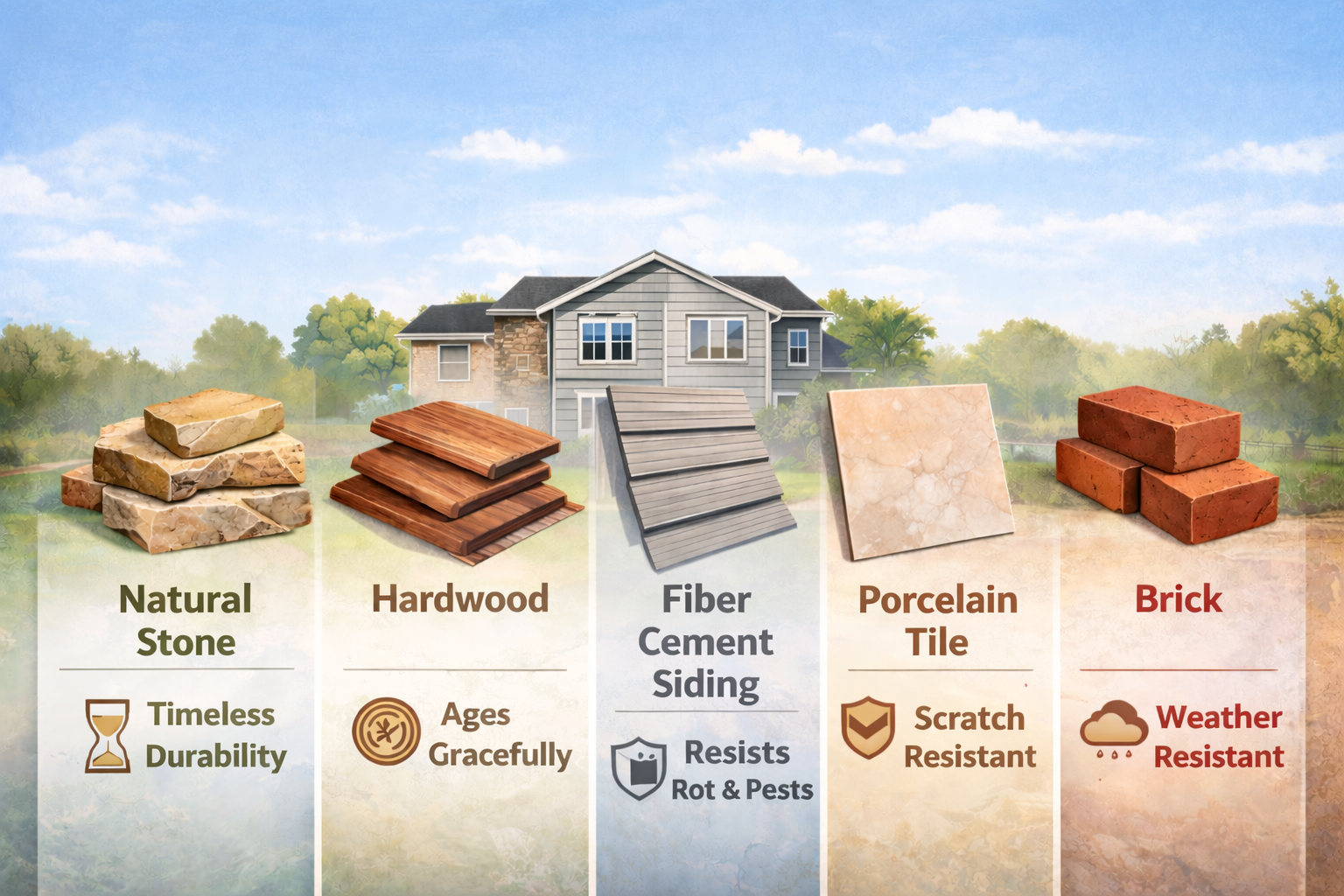
Choosing materials that age well
Material selection should focus on performance as well as appearance.
Key considerations include moisture exposure, ease of cleaning, repair options, and supplier consistency. These factors often matter more over time than colour or style.
Kitchens are one of the most common areas homeowners customize during a remodel, especially when layout, storage, and workflow no longer support daily use, which is why many projects overlap with a full kitchen remodel in Massachusetts rather than a surface update.
Approvals and inspections that shape the project
Structural changes, electrical work, and plumbing updates often require permits and inspections. Experienced contractors plan work around these requirements rather than treating them as delays.
Sustainability and long term value
Energy focused remodels can improve comfort and reduce operating costs. Deep energy retrofit strategies aim to lower overall energy use through insulation and system upgrades.
(Source)
Managing risk in older homes
Older homes often hide issues behind walls or floors.
Common risks include water damage, outdated wiring, and undocumented past work. Contingency planning allows these issues to be addressed without derailing the project.
Value beyond resale figures
Not every remodel is driven by resale value.
Many homeowners remodel to improve comfort, reduce maintenance, or support long term living needs. Research shows these improvements are closely tied to homeowner wellbeing and satisfaction. (Source)
Frequently asked questions
How long does a custom remodel usually take
Most custom remodels take several months, depending on scope, decision timing, and inspections.
Can I live in my home during a custom remodel
In many cases yes, though whole home remodels may be easier and faster if you move out temporarily.
Why do costs sometimes change during a remodel
Hidden conditions, late changes, and material availability can affect pricing even with careful planning.
Is a custom remodel more expensive than a standard renovation
It often costs more upfront due to planning and coordination, but it tends to deliver better long term function.
Do I need permits for a custom remodel
Permits are usually required when structural, electrical, or plumbing changes are involved.
A custom remodel works best when expectations are clear, decisions are made early, and planning respects the realities of the home.
If you are considering a remodel and want guidance grounded in real construction experience and local knowledge, Antoniel Renovations is ready to help. You can start by reaching out through our contact us page to schedule a consultation and discuss your plans.